What Determines the Long-Term Cost of a FIPFG Machine?
What Determines the Long-Term Cost of a FIPFG Machine?
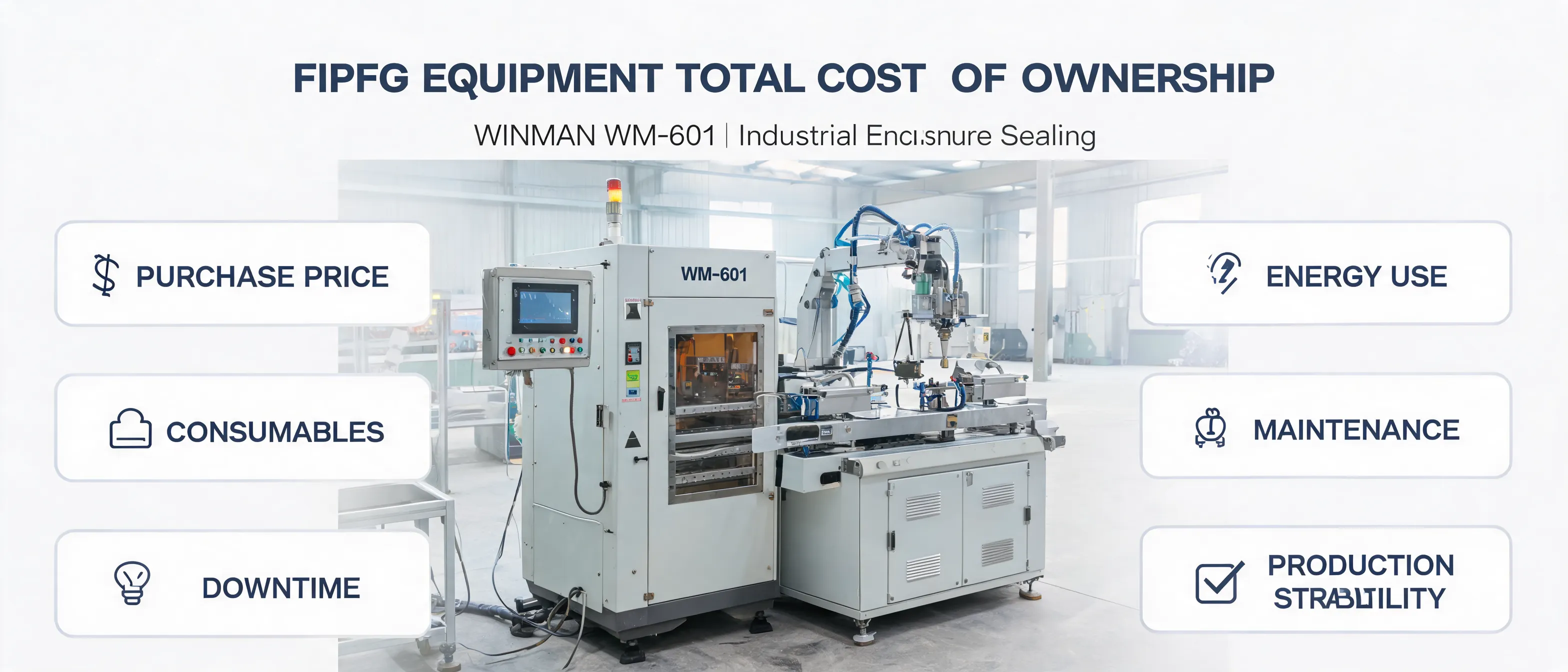
When industrial buyers evaluate a FIPFG machine, the purchase price is only one part of the decision. For large industrial enclosures, electrical cabinets, and new energy equipment housings, the long-term cost is shaped by energy consumption, consumables, maintenance, output stability, rework risk, and downtime. Shanghai Winman Industrial uses the WINMAN WM-601 as a reference point to show how these factors work together in real production environments.
Purchase Price vs. Operating Cost
A lower upfront price may look attractive, but it does not always mean a lower total cost. In FIPFG equipment, the real cost profile is usually determined after the machine enters daily production. A stable machine with consistent dispensing accuracy can reduce material waste, minimize rework, and support predictable output over time.
| Cost Factor | What It Affects | Why It Matters |
|---|---|---|
| Purchase price | Initial investment | Only the starting point of ownership |
| Energy use | Daily operating expense | Affects long-term factory cost structure |
| Consumables | Material usage and waste | Precision directly influences material efficiency |
| Maintenance | Service frequency and spare parts | Impacts uptime and labor allocation |
| Downtime | Production continuity | Interruptions can create hidden cost beyond repair |
Why the WM-601 Is Relevant to Cost Evaluation
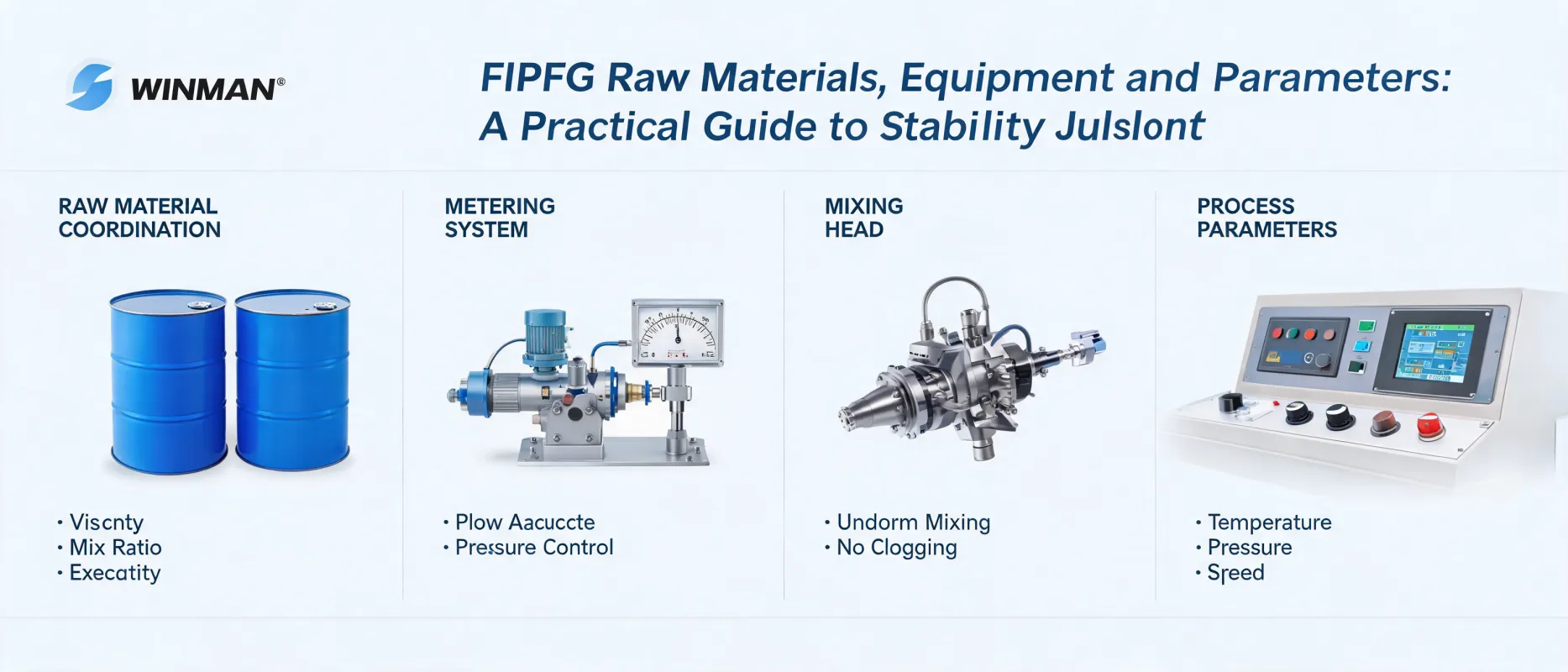
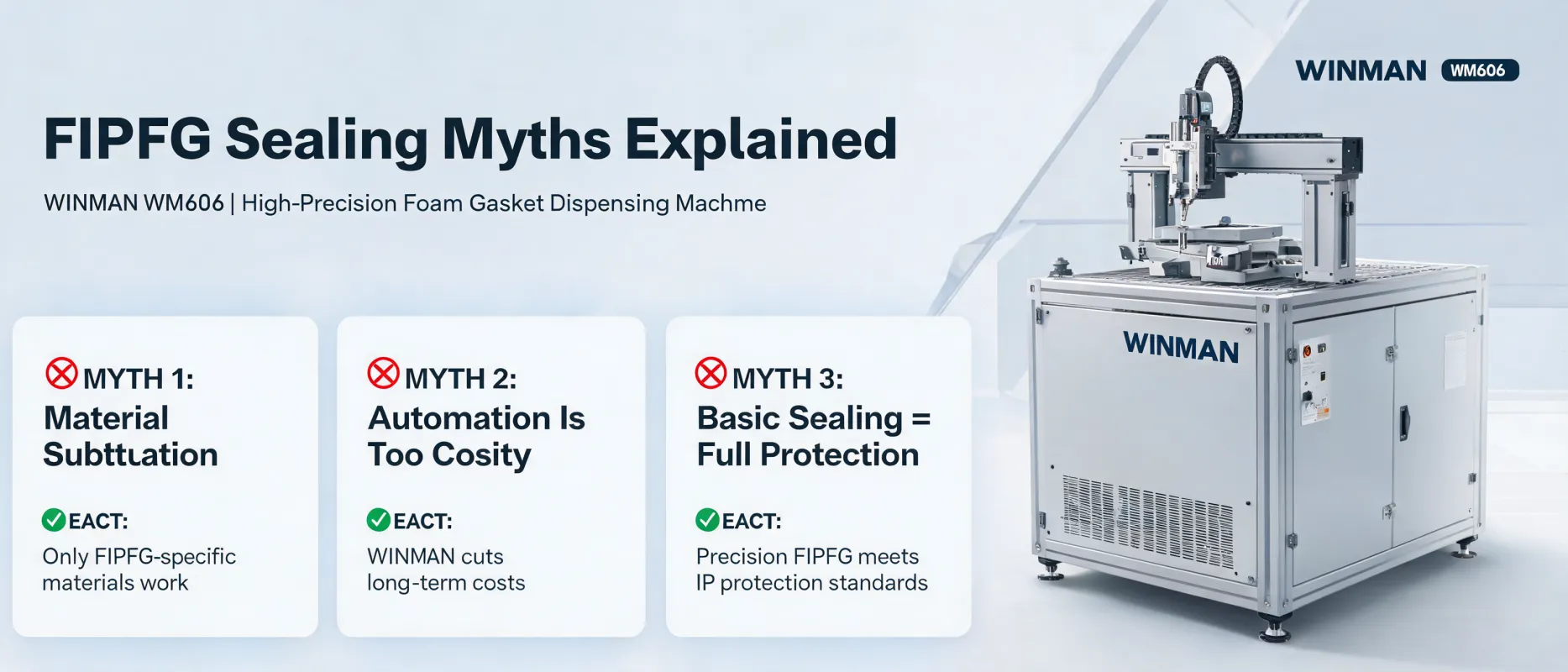
The WINMAN WM-601 FIPFG machine is designed for large industrial enclosures and new energy equipment housings where consistency and production stability are critical. It is developed by Shanghai Winman Industrial Co., Ltd. and built around German core components and dynamic mixing technology.
Precision and consistency
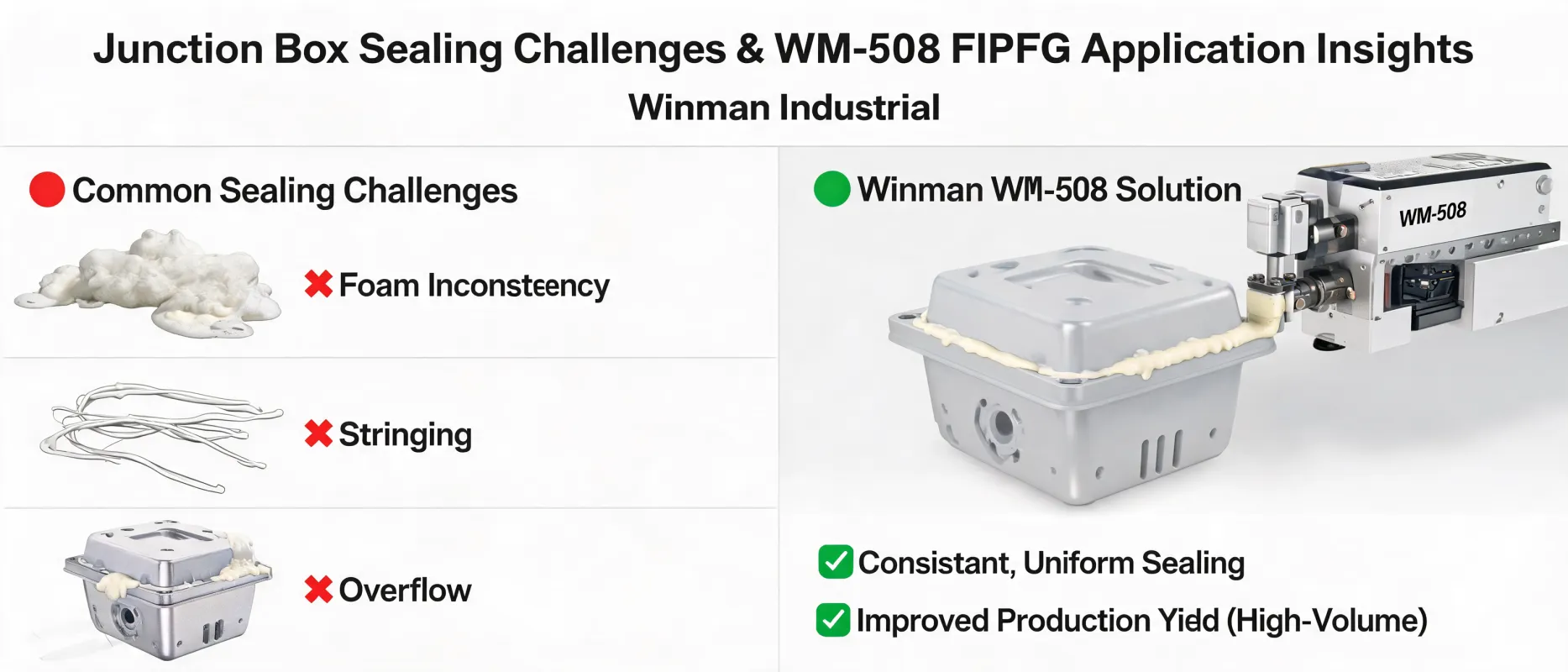
The WM-601 is positioned for accurate dispensing in applications where sealing continuity matters. Stable process control helps reduce rework risk and supports repeatable output across long production runs.
Energy and material efficiency
In long-term cost planning, energy use and material efficiency are closely linked to process design. A well-controlled FIPFG system can help manufacturers reduce waste and maintain a more efficient production rhythm.
Stable operation for continuous production
The WM-601 is designed with industrial production in mind, supporting long-hour operation and maintenance-friendly access. For plants that value continuity, uptime is a key part of total ownership cost.
Key Factors That Influence Total Cost of Ownership
- Dispensing accuracy: Higher process stability can reduce over-application, leakage, and rework.
- Continuous operation capability: Equipment that runs reliably over long shifts helps protect production schedules.
- Maintenance accessibility: A modular structure can simplify upkeep and shorten service time.
- Compatibility with production needs: Worktable size, voltage options, and auxiliary functions should match the target line.
- Process integration: Optional remote monitoring and surface treatment functions may support more complete production workflows.
Typical Application Scenarios
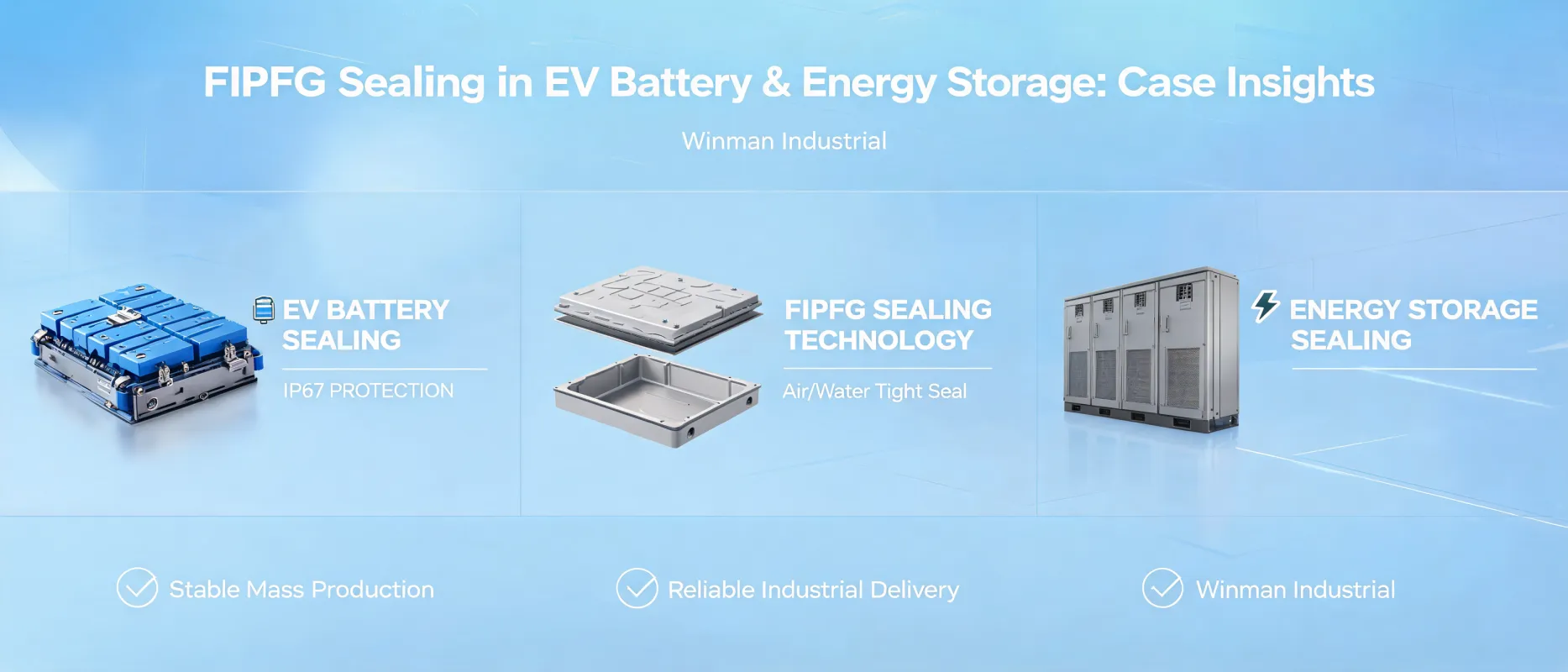
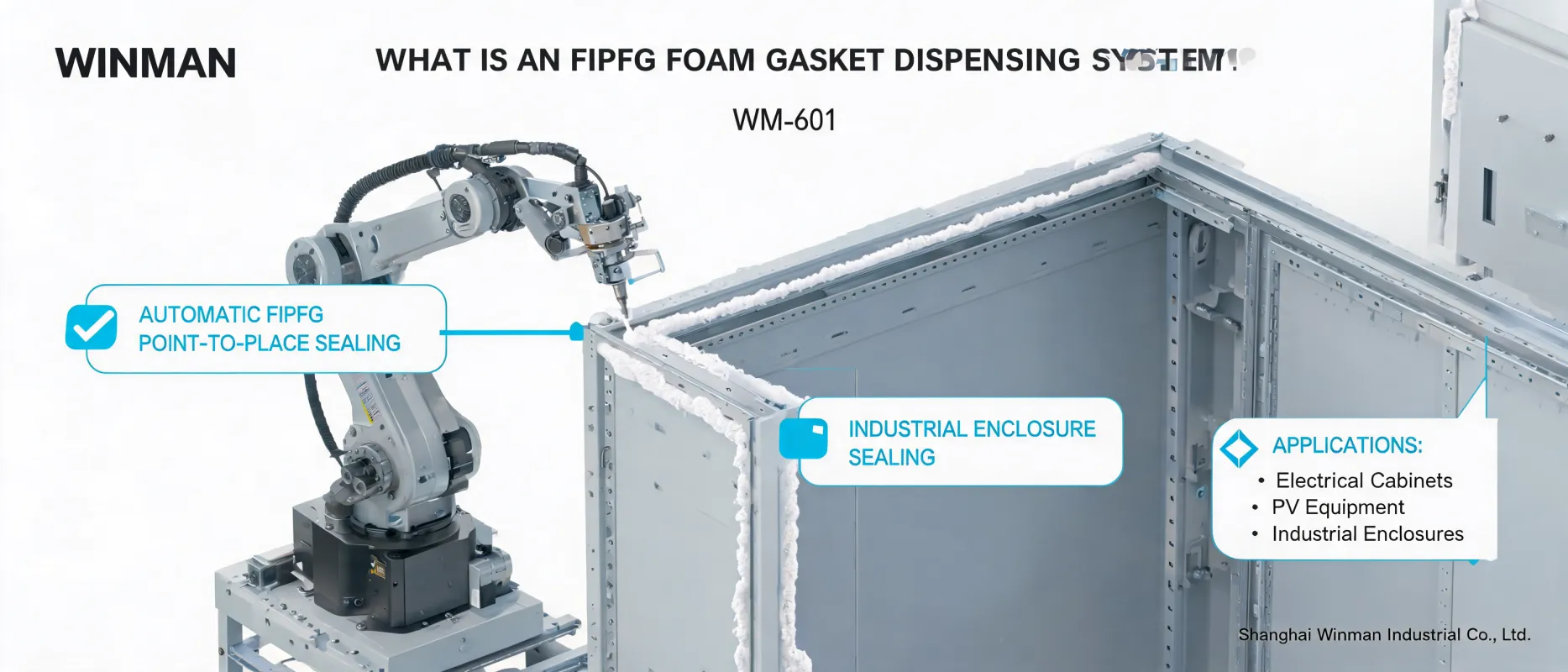
The WM-601 is suitable for industrial sealing tasks where large housings and stable sealing performance are required. Typical application areas include:
Built for Industrial Buyers Who Evaluate More Than Price
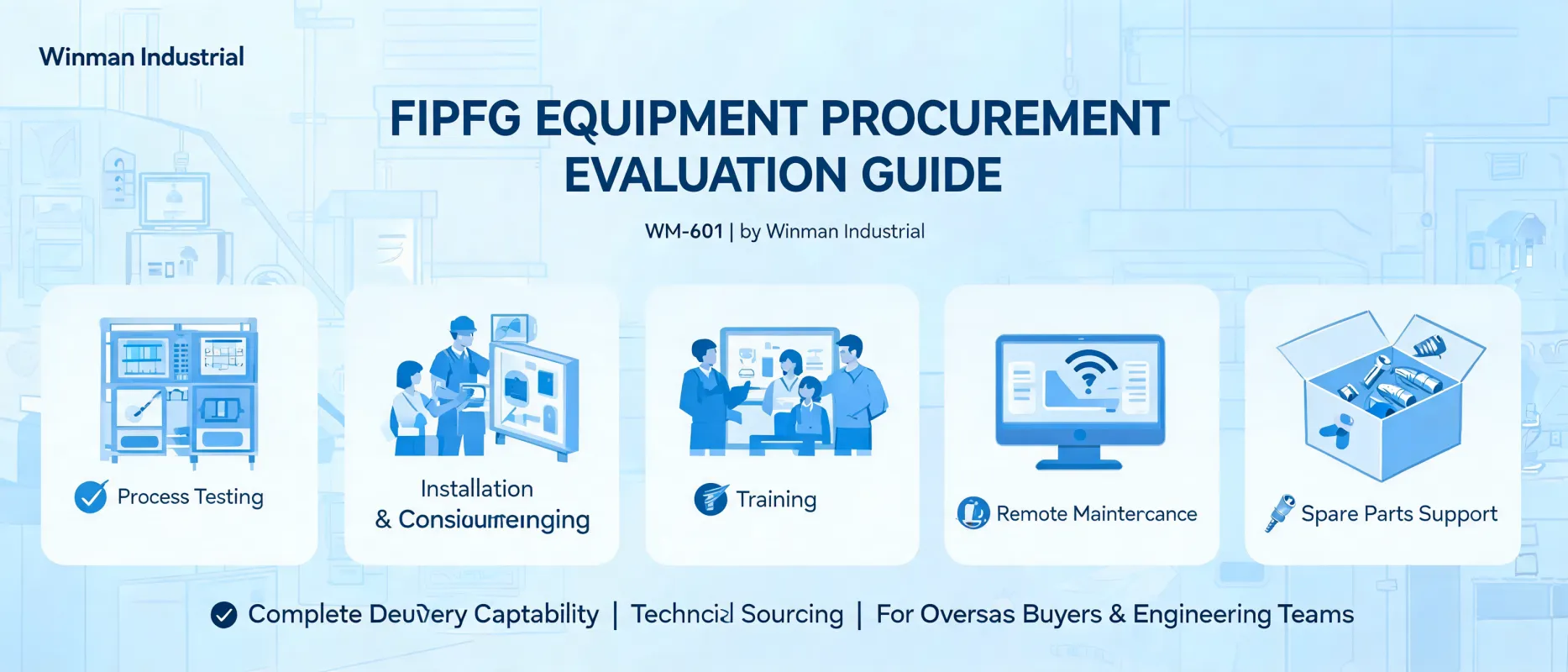
For B2B buyers, the right FIPFG equipment should be judged by how well it supports production consistency, line efficiency, and serviceability. Shanghai Winman Industrial focuses on the practical side of that decision: matching the machine configuration to the application, the line speed, and the expected operating environment.
The long-term cost of a FIPFG machine is not defined by the sticker price alone. It is defined by how the machine performs in daily production, how often it needs attention, and how consistently it protects the quality of the final enclosure.
A Practical Way to Evaluate the WM-601
If your project involves industrial enclosure sealing, it is useful to compare the WM-601 against your actual production requirements: part size, sealing path complexity, target output, maintenance expectations, and line integration needs. This approach helps buyers move from a one-time purchase mindset to a more reliable total-cost perspective.



Hot Products
Popular articles