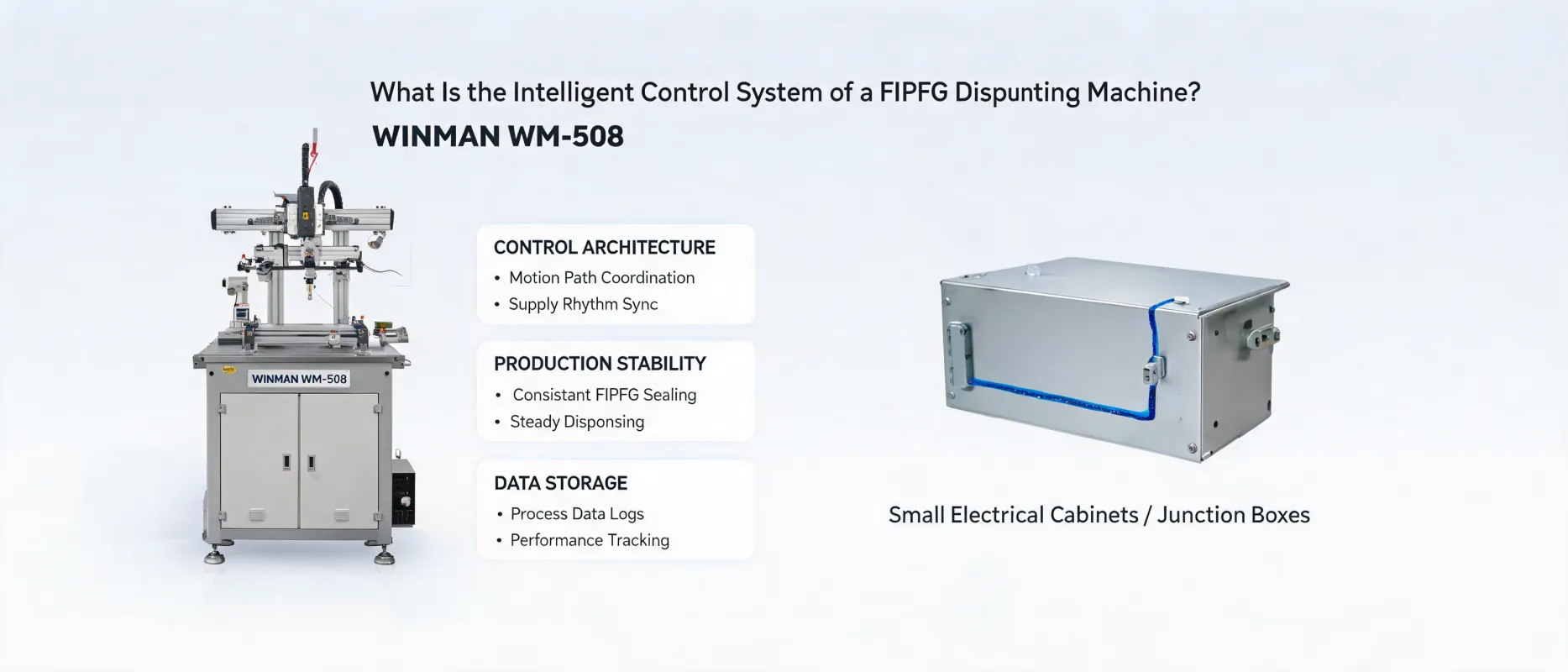
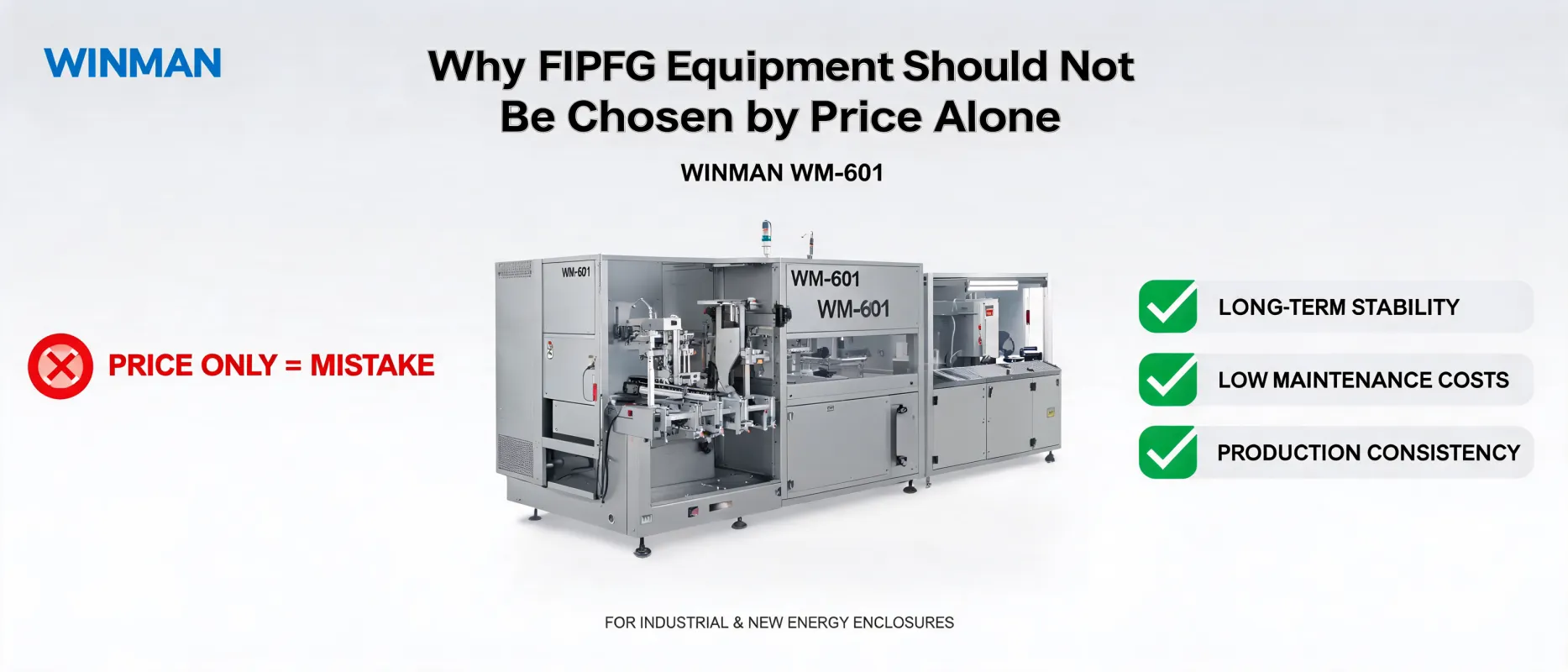
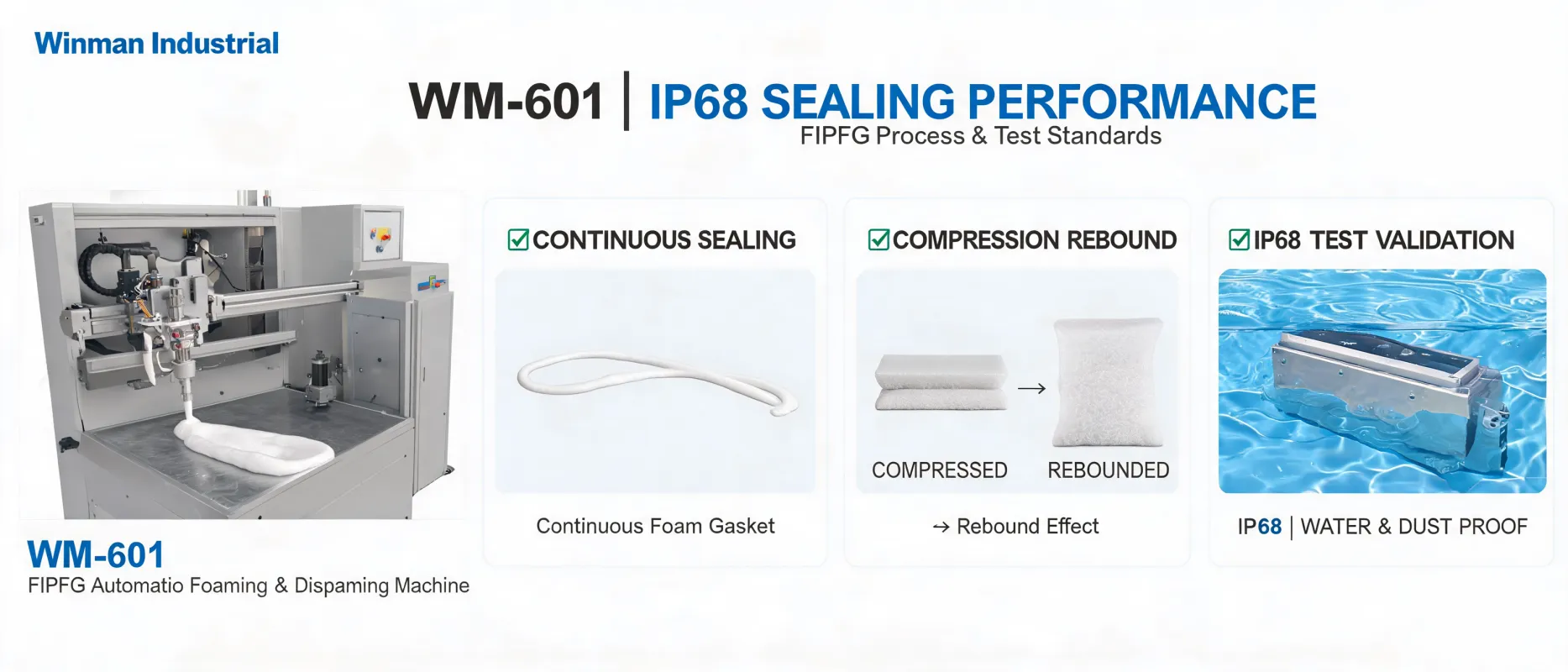
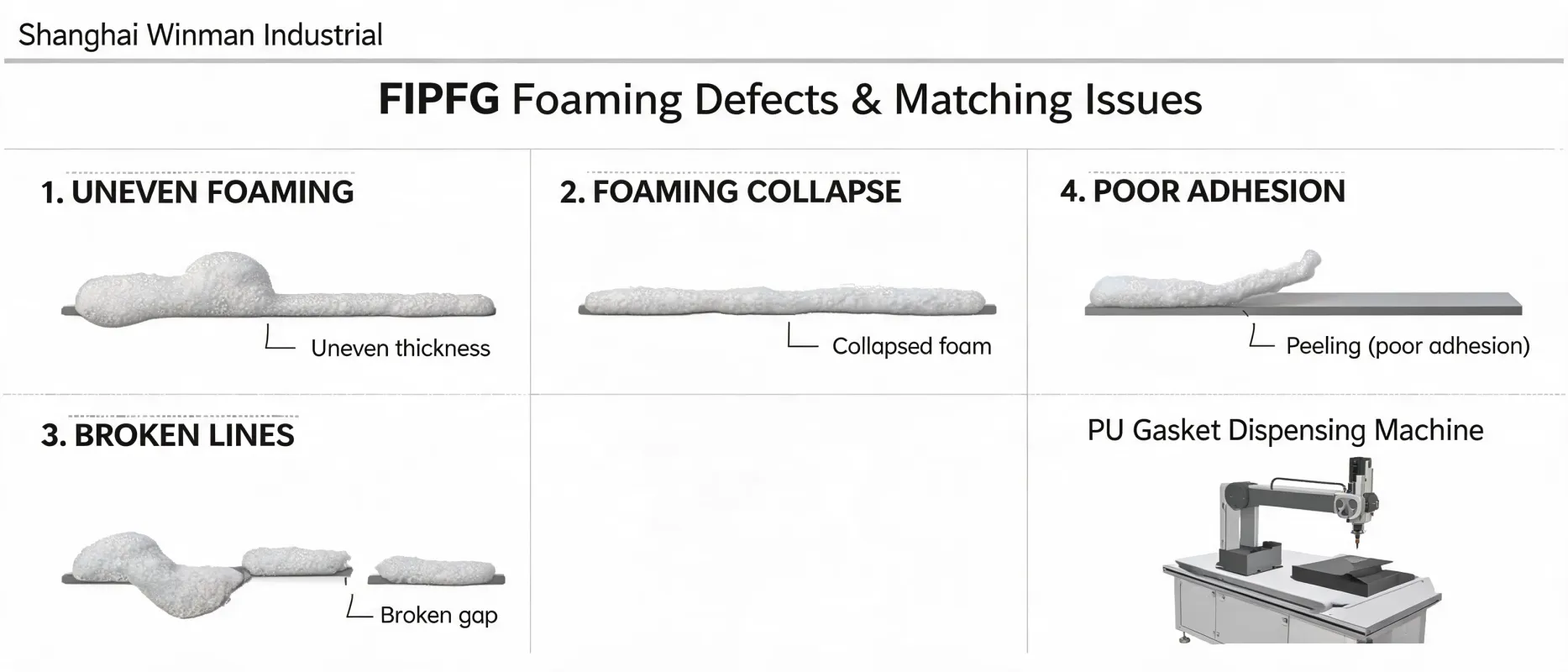
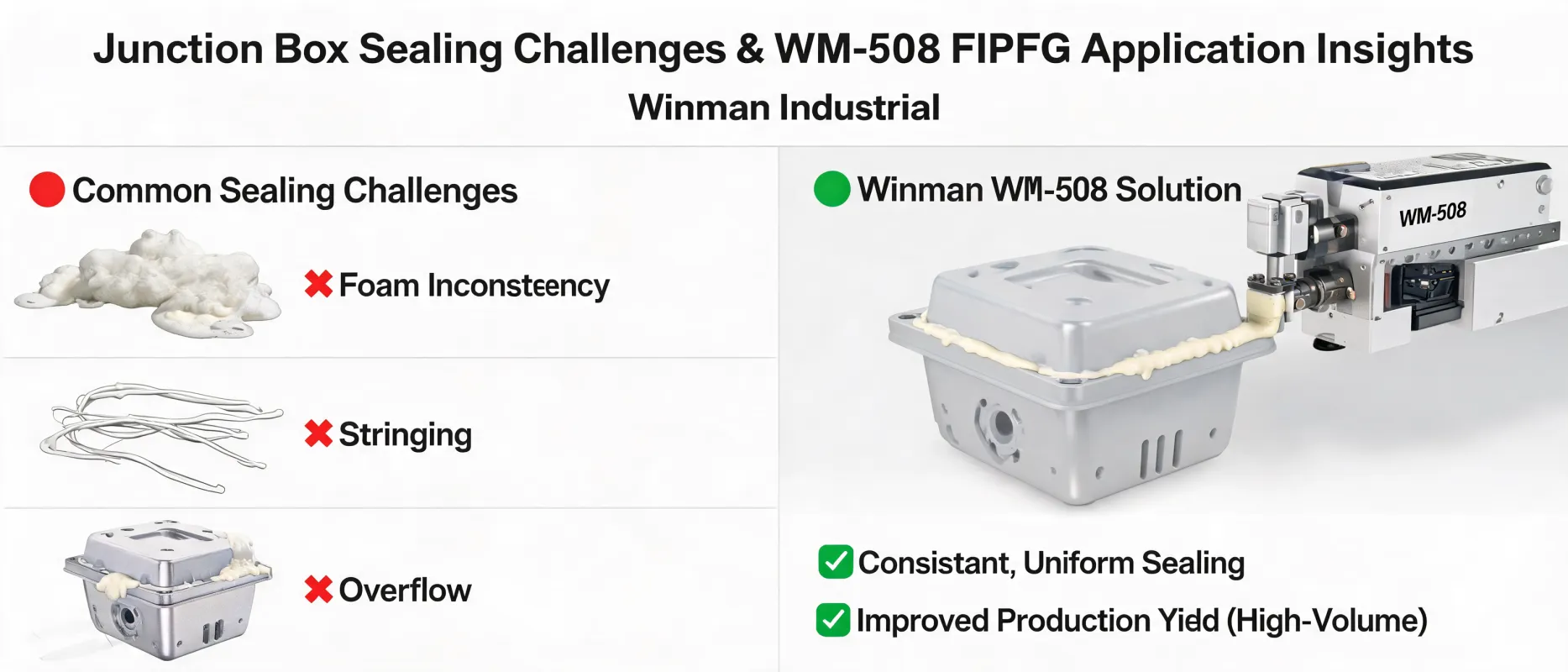
When purchasing a FIPFG machine, the key consideration is not only the equipment itself, but whether the complete sealing process can meet your production requirements. A suitable system should be selected according to part geometry, required sealing performance, material compatibility, output targets, and the automation level of your factory.
Different products require different sealing paths, bead sizes, curing characteristics, and accuracy levels. For example, enclosures used in electrical cabinets, battery packs, energy storage systems, and photovoltaic equipment may have different requirements for IP protection level, cycle time, and foam adhesion. If the application is not clearly defined, the machine may be over-configured or unable to deliver sufficient performance in actual production.
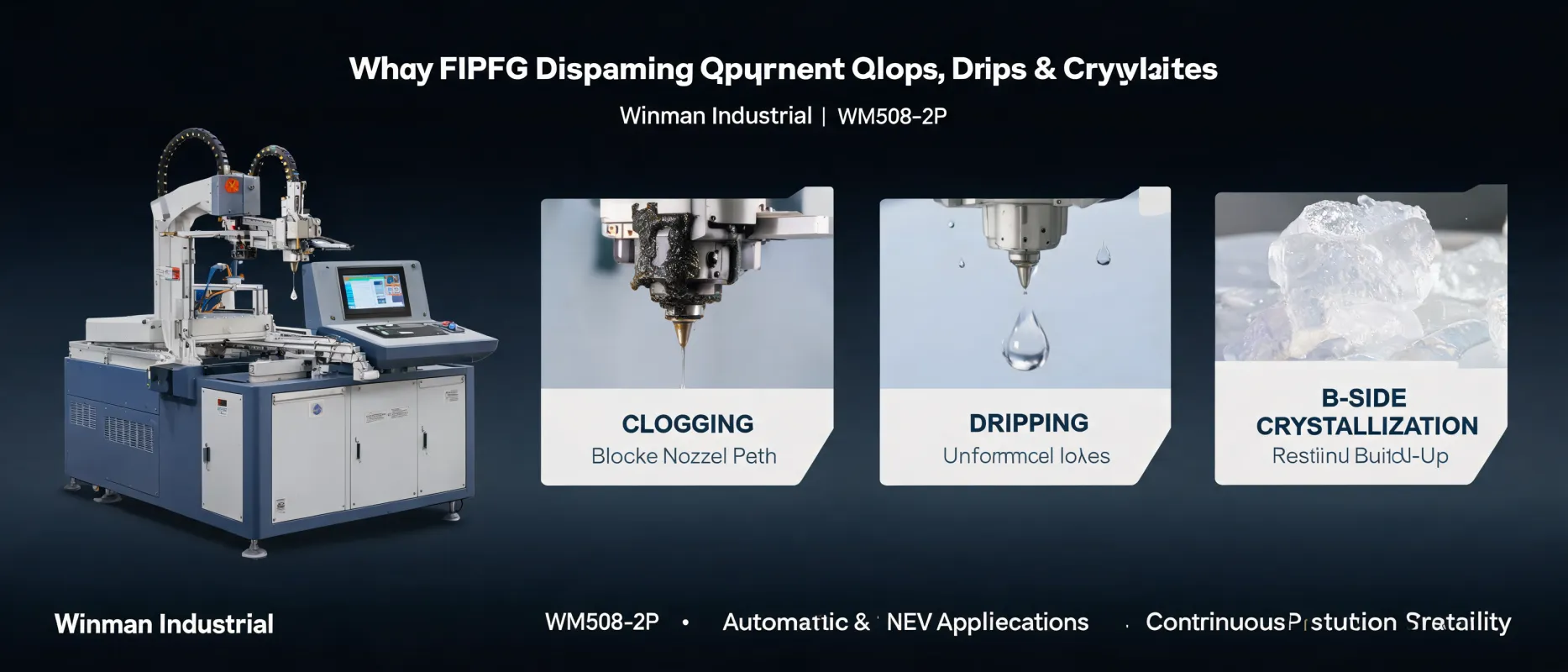
FIPFG systems are closely connected to material formulation and processing characteristics. Before purchasing, confirm whether the machine can handle the selected polyurethane foam or silicone-based sealing material, and whether it supports stable mixing, precise dispensing, and repeatable bead formation. Material testing is essential because small differences in temperature, viscosity, and curing speed can affect final sealing quality.
Production capacity should determine the machine configuration. High-volume requirements may call for a faster dispensing system, a multi-axis motion platform, or a more automated production line. For smaller-scale or flexible production environments, a simpler configuration may be more cost-effective. The objective is to balance cycle time, precision, and return on investment.
A FIPFG machine should fit into your existing production process. Consider whether you require manual loading, semi-automatic operation, or a fully automated solution with robotic handling, vision positioning, and MES or production-line integration. The appropriate level of automation can improve product consistency, reduce dependence on manual work, and support future expansion.
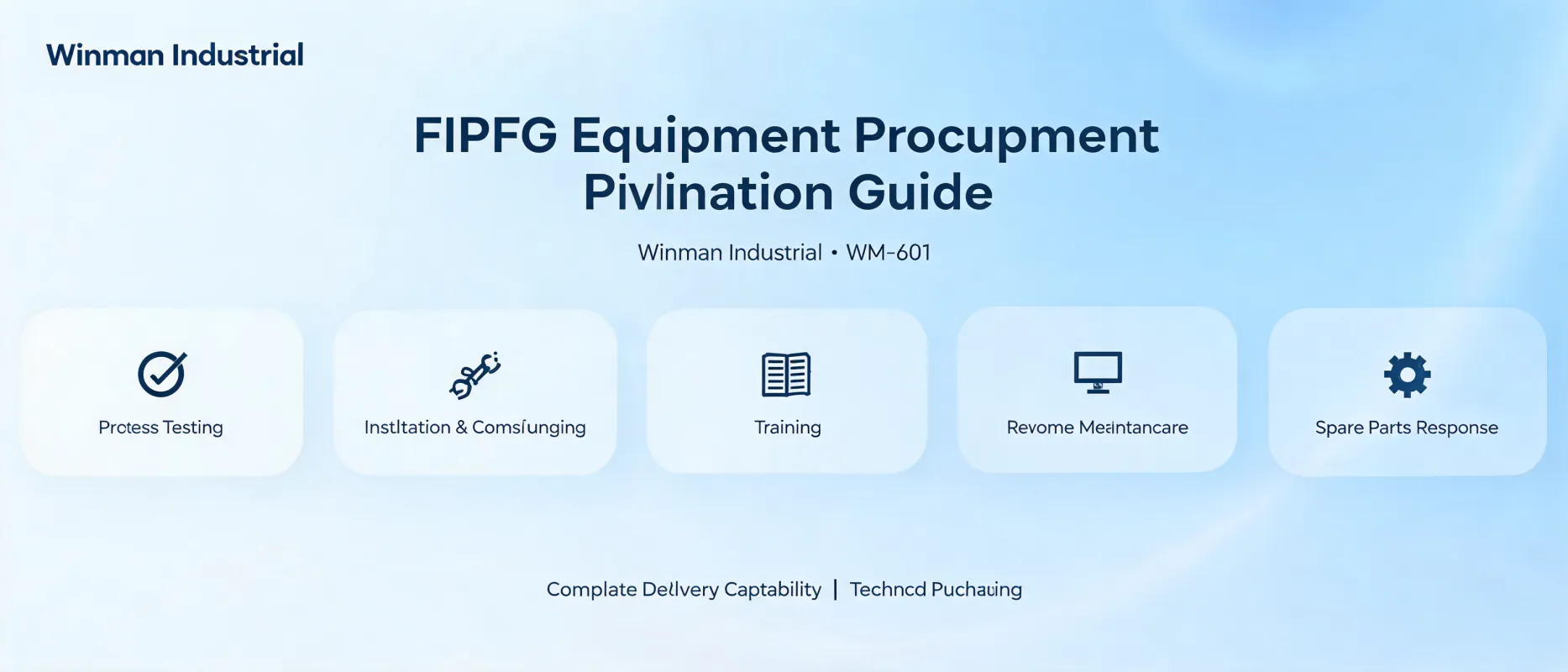
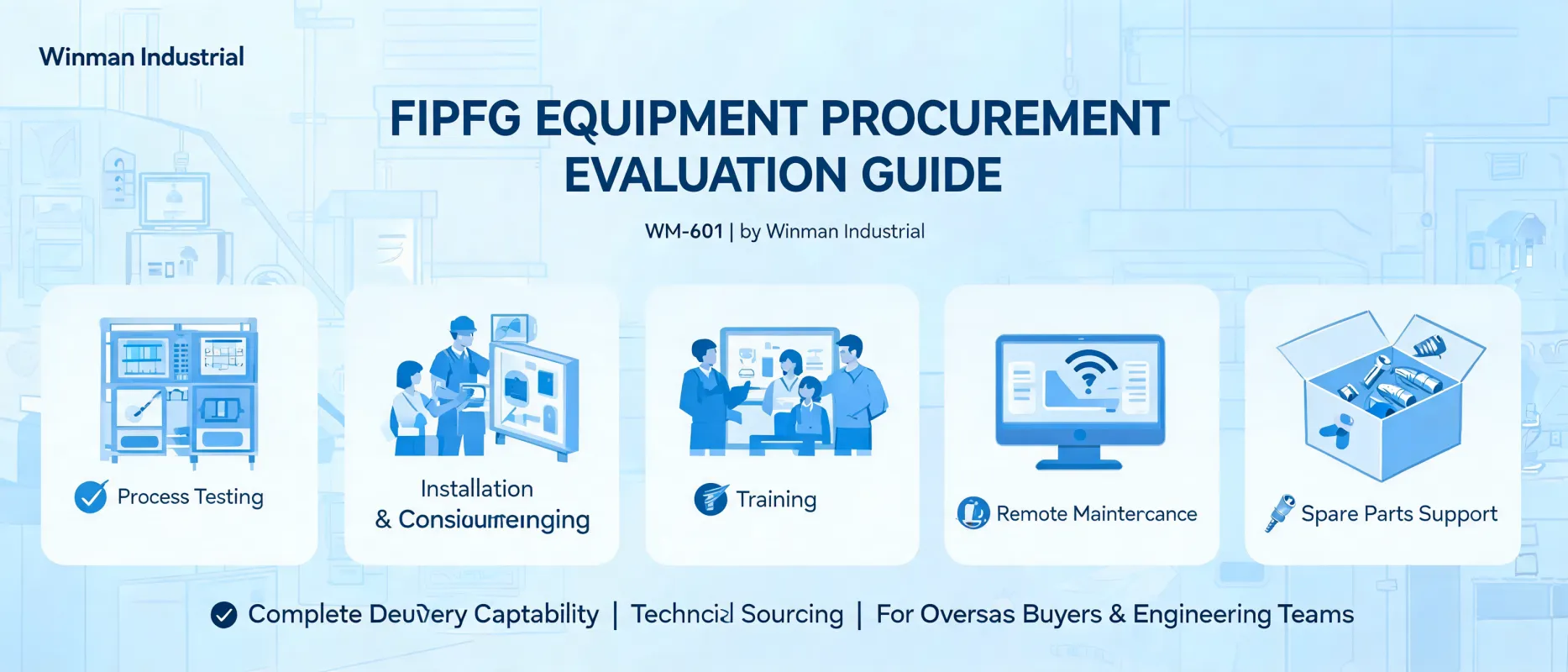
A reliable supplier should provide more than machine delivery. Support should include:
This is particularly important for industrial users that require stable operation over long production cycles. Insufficient after-sales support can lead to downtime, inconsistent quality, and increased operating costs.
WINMAN Industrial, the English brand of Shanghai Winman Industrial Co., Ltd., focuses on FIPFG dispensing and sealing systems. The company has application experience in automotive lithium batteries, energy storage equipment, electrical control cabinets, and photovoltaic equipment.
Based on German FIPFG technology and long-term process expertise, WINMAN helps customers evaluate sealing requirements and recommend equipment configurations suited to actual production conditions. For buyers, this means lower selection risk, better process matching, and a more reliable path from sample testing to mass production.